The pile in the corner
There used to be a pile of pre-pour and post-pour checklists in the back corner of Mike Savage's office, and he dreaded walking past it. Every sheet in it needed his signature somewhere between three and thirty times. He had a stamp made because his wrist stopped keeping up.
“It would keep me up at night. I would take it home on the weekends, two hours going through all of it, because it was so arduous.”
Mike Savage
The pile was, in a way, his own doing. Fraserway Prekast is more than fifty years old, built on cemetery products and onsite wastewater. Mike joined in 2010, and within a year or two he moved the business into civil infrastructure, utilities, road building, custom structures. The business plan for that was his. So was the decision to build a quality management system and get certified, at a point when none of Fraserway's clients were asking for one.
“The whole concept of a certification was the rambling of this madman that says, if we're going to go after this market, you have to have this as a minimum.”
Mike Savage
Certified early, blind anyway
The Ministry of Transportation requires it now. It did not then. Fraserway wrote the system on ISO principles with a consultant, built the documentation, and certified in February 2014. Then they ran it on paper for twelve years. This is not the story of a yard that ignored quality until a client forced its hand. It is the story of the yard that went looking for certification early, and ended up with a record that was arduous and time consuming to manage.
Ask Mike what hurt most and he does not say the signing. Given the choice between the man hours and the visibility, he picks the visibility without pausing.
“How do you know things are being done correctly if the checks are being done, but they're not being reviewed during the process? You couldn't bring something to somebody's attention while they were setting things up. It was more of a historical account of what happened with this piece.”
Mike Savage
The checks themselves happened on time. A QC tech went through the sheet with the piece in front of him and signed it off. What lagged was everything after. The sheet went from the floor to Mike's desk to sign, to an admin to scan, to a folder. Some took six months to surface, and at worst he was two hundred sheets behind. The check had already done its work on the floor. The second set of eyes arrived too late to add anything to it. A check sheet that reaches Mike six months after the pour cannot be acted on.
“Previously I couldn't reject it, because it was too late anyway.”
Mike Savage
Twelve years of certified process, and the review at the end of it could only ever confirm what had already happened.
The bolt pattern that never reached site
Fraserway moved onto CONQA in 2026. Mike expected the setup to fight him – a decade of history sat in how they tracked and stored records – but the platform was configured around their existing operation and checklists rather than the other way round. What changed was not that Fraserway started doing QC. They always checked their products. It was that the checksheets now reached Mike while the work was still in production, not weeks after it.
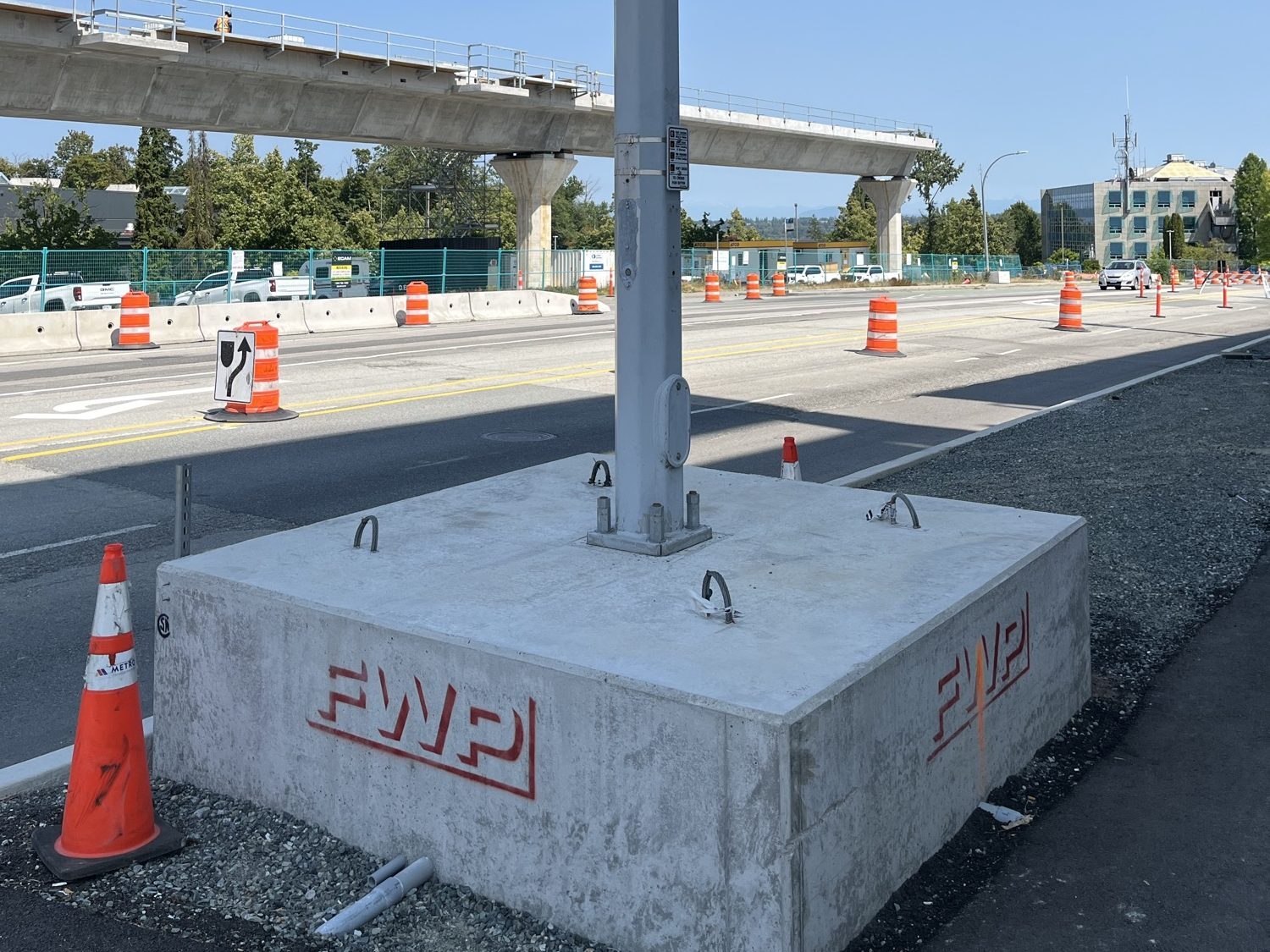
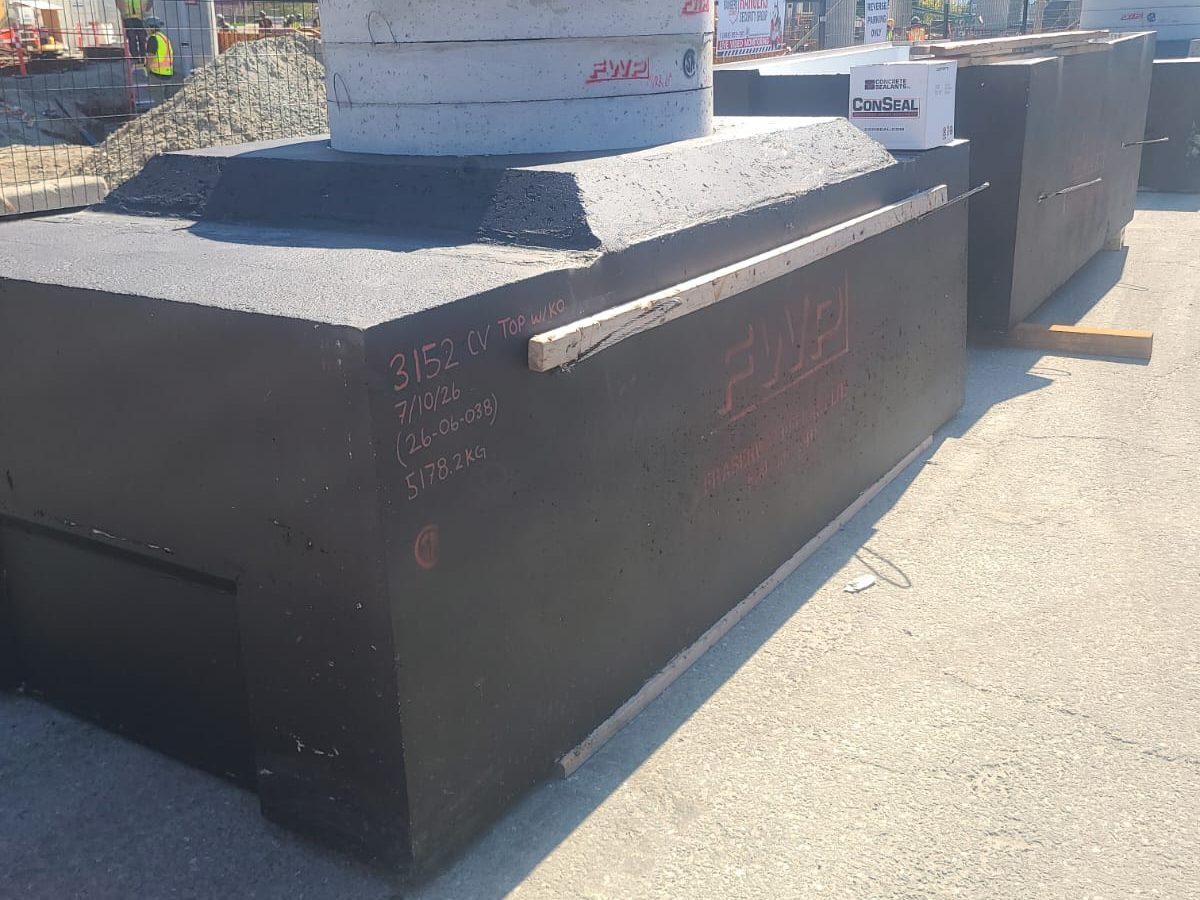
On a recent job, a crew photographed a setup at the pre-pour stage, now a required step in their CONQA pre-pour checklist. The photo showed a bolt pattern that would not have matched the base plate on the pole. Someone saw it, said so, and it was corrected before the casting. Caught on the floor, it cost nothing but the fix. Set in the ground and found on site, the same mismatch is a tear-out Mike puts at $2,500 to $10,000.
Fraserway had always done pre-pour checks. What it had never had was Mike approving them while the product was waiting to pour. That changed what QC could be. Mike's QC techs work against the drawing with the tape measure in the photo, and he holds them to it, because now he can.
“We need pictures of this stuff, guys. This is important. Make sure the record is there, because if it's not, I'm going to reject it.”
Mike Savage