Customer story · Windows & Doors

300+ to the low 20s: How Kalos Windows & Doors got rework under control

When Kalos Windows & Doors changed ownership in September 2025, the new owners inherited more than 300 maintenance items and a paper QA process that told them little about what had actually been checked. Less than a year later, the list was in the low 20s – and when a defect isn't theirs, they now have the record to prove it.

300+ low 20s

The maintenance list Simon and David inherited in September 2025, and where it sits less than a year later.

The remaining long-running items are being closed out.

Kalos Windows & Doors
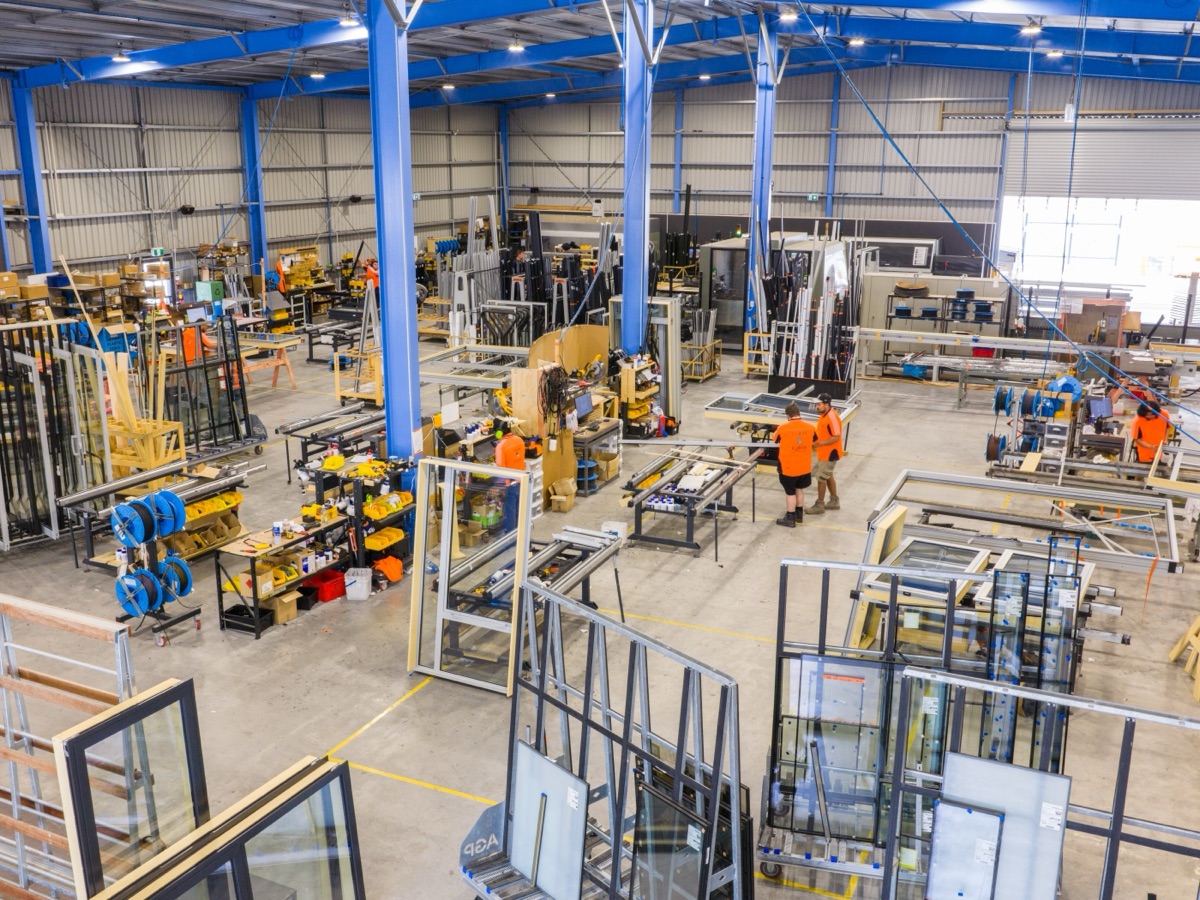
An elevated view of a Kalos factory floor, with fabricators working among window and door frames

A 300-item list and a one-screw handle

Kalos manufactures aluminium windows and doors for residential and commercial builds across three factories. The previous owner had grown the business quickly, and the growth left a maintenance list that the new owners inherited without an obvious place to start.

The QA process underneath it was a one or two-page paper tick sheet. It logged that a check had happened without recording much about what was checked, by whom, or the condition a unit was in when it went out the door.

Simon Hvalica, who bought Kalos with David de Freitas in September 2025, put the wider cost of maintenance and rework at around $600,000 a year across labour, vehicles, materials and NCR accounts.

The impact was visible in the factory. Every weekly production meeting could start with half a dozen to ten jobs sitting at the top of the list in red, each one a job to be redone.

For Hayden Hunt, who runs the commercial factory, the point at which it became impossible to ignore came down to a single handle. A builder rang to say a handle was loose, hanging on one screw.

“How did this even leave the factory with basically one screw on it?”

Hayden Hunt

That was the last straw. Kalos went looking for a better way to run its QA and engaged CONQA. By January 2026 it was rolled out across all three factories – two residential and one commercial.

Every fabricator checks the next person's work

Kalos built CONQA into each stage of production, from cutting through preparation, fabrication and delivery.

The cutting and prep teams photograph and sign off their own work. Fabrication runs differently. No fabricator signs off their own unit. Each checks another person's work, and the pairings are rotated rather than having the same people continually checking each other. The intention is to maintain a consistent standard across the factory.

The team also photographs work that will later disappear. A bead of sealant, for example, is covered once a unit is assembled, so the fabricator records it while it is still visible. That record stays with the job.

Kalos equipped the factories with smartphones and repurposed tablets, while drivers take devices out to site to record deliveries.

The technology itself proved relatively easy to introduce. Changing habits took longer. Some of the more experienced team members were less enthusiastic about another new process. But as the volume of rework started falling, the benefit became more tangible. Fixing a defect on site could mean leaving the factory, leaving the tools they normally worked with and spending time on a muddy construction site correcting something that could have been dealt with before it left.

The red rework jobs at the top of Hayden's production meetings began to disappear.

“I actually forgot that was even a thing, because I barely see those things.”

Hayden Hunt
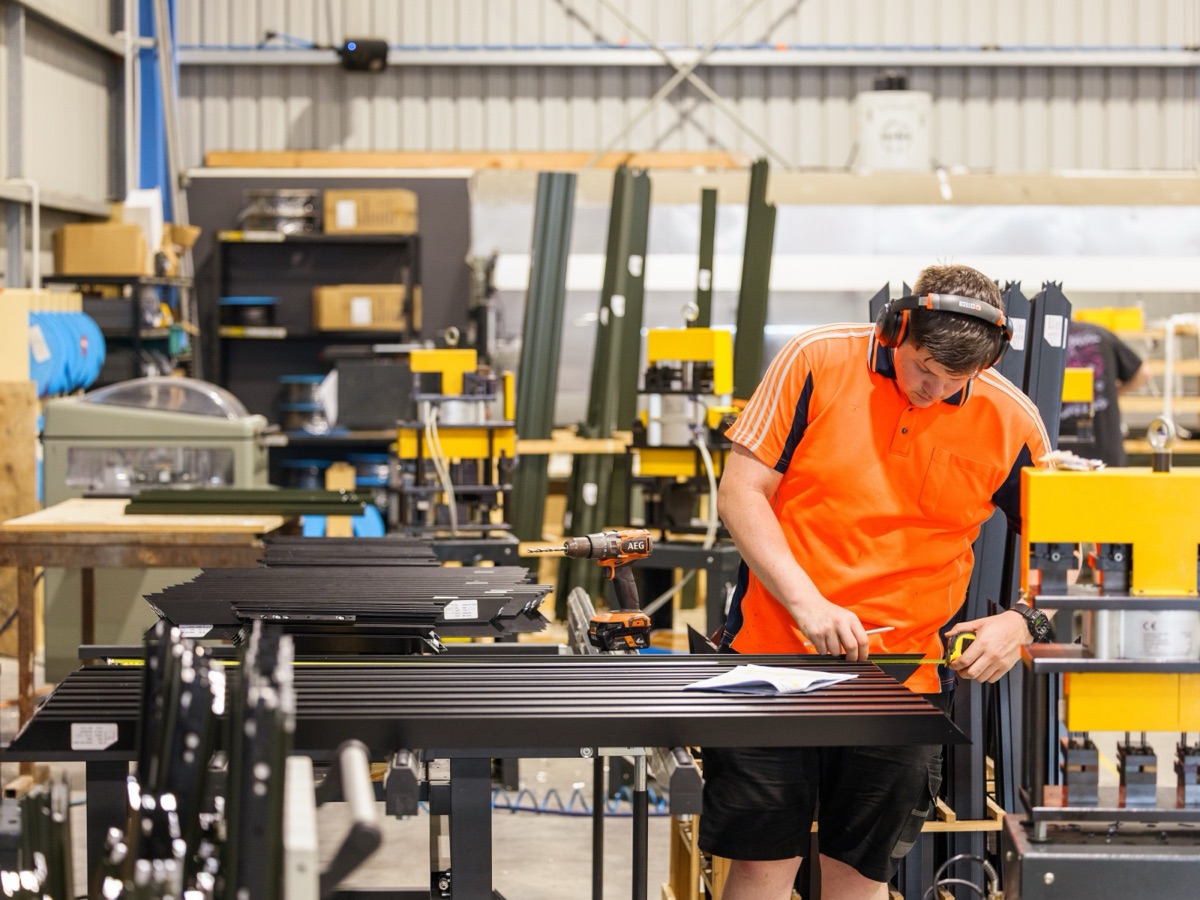
No fabricator signs off their own unit. Each checks another person's work, the pairings rotate, and the camera catches what assembly will later cover – like the bead of sealant recorded while it is still visible.

A Kalos fabricator checks a finished panel on the factory bench, tape measure in hand and check sheet beside the work

Proof of what left the factory

A frame might leave the factory in good condition and, two weeks later, Kalos would get a call saying it was scratched. Previously, there was little evidence to establish when that damage had occurred. So Kalos would fix this at their cost.

Now the team can go back to the photographs captured during production and delivery and see the condition the frame was in before it left their control.

“We have evidence to back ourselves up, saying it wasn't like that when it left.”

The same record helps when components are reported missing. Support bars, for example, can be delivered to site ahead of the joinery. If a builder later reports that one never arrived, Kalos can check the delivery record. Hayden describes sending the photograph back with a simple response – “It looks like it is in Bedroom three. Have you checked in there?”

Replacement support bars had been a steady cost of their own – extras supplied to site whenever a set was reported missing. Since drivers started photographing deliveries, Hayden says, that has almost completely died down.

Based on the records collected, Kalos estimates that about 80% of the issues happened after the joinery left the factory. Previously there was no evidence, so Kalos completed most of that rework at no charge. Simon calls the old approach doing fix-ups “for love.”

Kalos may still help a good customer with something outside its responsibility. The difference is that the choice is now informed by evidence.

The maintenance list fell, and a role went back to the factory

Simon can't put an exact dollar figure on the saving, but estimates a 60% reduction in rework related costs through the following:

  • Maintenance vehicles: two, down to one.
  • Maintenance roles: two people, down to one. The glazing-and-maintenance role that fell vacant was never replaced, and the remaining employee's five days a week on repairs is now three to four, with the freed time going into deliveries and productive factory work.
  • The maintenance list: more than 300 items at purchase, in the low 20s at the time of the interview, with the remaining long-running items being closed out.
  • Getting to a genuine defect: two to three weeks, now the same week – some the same day.
  • Red rework jobs at the top of Hayden's weekly production meeting: half a dozen to ten, now barely any.

Inside the factory, rework no longer competes with scheduled production to the extent it once did, leaving more capacity to respond when something genuinely does need to be put right.

“It looks like it is in Bedroom three. Have you checked in there?”

Hayden Hunt, commercial production manager, Kalos Windows & Doors

“We know the quality is there. Now we can prove it.”

Simon Hvalica, co-owner, Kalos Windows & Doors
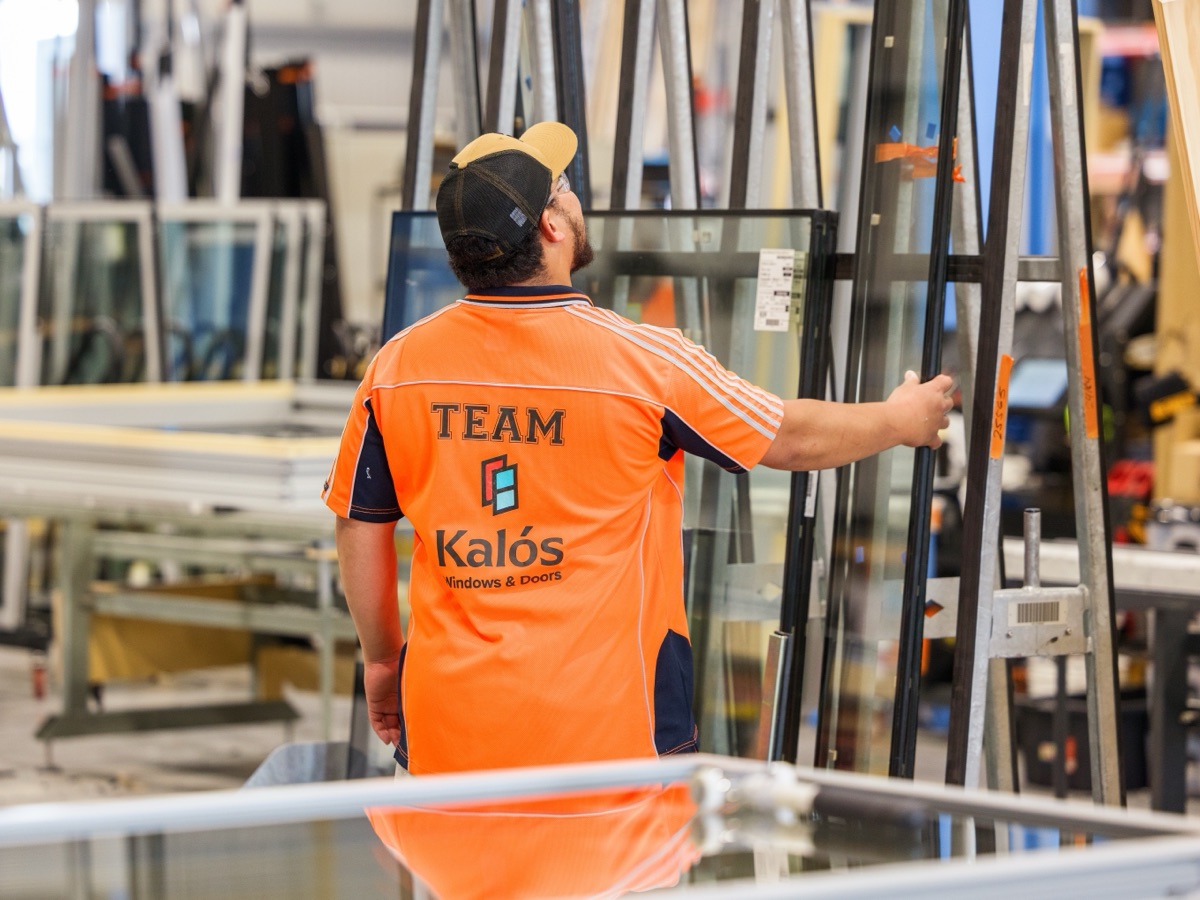
A Kalos team member in a branded shirt steadies finished glazed units racked on an A-frame

Getting paid on time

Simon works with Kalos' financial controller on overdue accounts. One recurring issue had been builders withholding payment over defects still unresolved on site. That meant a dispute over a window or door could become a dispute over an invoice.

With a QA record behind the work, those conversations can now start with evidence of what was checked and what condition the product was in when it left Kalos.

“We're delivering a product on time, in full, with quality. People do not have a reason to pay late.”

Simon

Kalos says customers have also told the team that the quality of its product has never been better.

First fix the backyard

Growth was part of Simon and David's plan when they bought Kalos, including pursuing work in other regions of New Zealand. But looking at a maintenance list of more than 300 items made the immediate priority fairly clear.

“How are you going to fix a defect five hours away when you can't even fix a window twenty minutes from your back door?”

They decided to fix their own backyard first. As the maintenance list came down and confidence in what was leaving the factory grew, travelling further for work became a more realistic proposition.

Taking QA into the sales conversation

Quality assurance is now part of Kalos' sales story. The sales team can explain the QA process to residential and commercial customers and back the conversation with evidence – a report of a hundred-plus pages covering a recent job from the start of the factory process through to the finish. Customers want a fair price, and they want a quality product.

Kalos doesn't attribute new work to CONQA alone. What has changed is the confidence with which the business can talk about the quality behind its product.

Simon has had reason to reflect on that change recently. Kalos has been entering regional business awards, and he ranks the QA overhaul among the top three changes the business has made in its first year under new ownership.

See it on work like yours.

CONQA photographs the work as it's built – so the condition it left the factory in is a record, not an argument.