
How much of your last claim got held?

Money you’d already earned, sitting frozen because the QA paperwork couldn’t keep pace with the work.

CONQA is construction quality assurance software built on proof: the record that proves the work was done right, so you get paid, protect your name, and win the next job. For civil and infrastructure contractors, that means evidence captured against the ITP, tied to the lot, assembled into a claim-ready record without weeks of reconstruction.

The claim clears when the record does.

We rely on QA to be paid. If we don’t have our QA, we don’t get paid. So I’m going, well, we’re at risk every month now.
– a civil construction contractor

Contractually, line items gate every claim. Until the record exists in the format the principal asks for, the line sits held. The work is done, but the money isn’t yours yet, on every project, every month.

The proof falls behind the work.

The crew is on schedule and the work is sound. What breaks is the record of it: a photo on someone’s phone, a WhatsApp thread, an ITP scanned and emailed, paperwork sitting somewhere. The records the claim needs don’t exist yet.

At month-end your QA lead or site engineer pulls it all together. “I’m not their admin person,” but that’s the job the gap creates. The record falls further behind the build every week, and every week it’s behind has a price: the line on the claim marked held. Most contractors file that line under fuel and wet days, a cost of the business, nobody’s fault. It isn’t. It’s work you’ve already paid for – labour, plant, materials – sitting on someone else’s ledger while the paperwork catches up.

CONQA closes that gap. Evidence is captured against the check and the lot as the work happens, and the claim-ready record assembles as you go instead of being reconstructed at month-end from memory and camera rolls.

A concrete pour on a civil site – crew placing and screeding a slab from the chute

Evidence attached to the lot and ITP item as the work happens.

The record you’re forced to produce anyway is worth money at three moments of the contract.

The claim goes in with the proof attached.

In civil, the hold point gates the claim. No record, and the line gets held. Month after month, your own money finances someone else’s caution. One civil contractor described holding millions in monthly claims as, simply, “not okay.” With the evidence already captured against the ITP and the lot, the claim goes in with the proof attached and the line clears.

If the QA is not there, they can hold that item in the claim. When we’re doing millions of dollars of work in a month, holding up millions of dollars of payment is not okay.”

– Surfacing Manager, a roading contractor

Show you followed the spec, and the dispute stops being yours.

You didn’t design it. You just have to prove you built what was drawn. A gap in the record is a liability you’re carrying blind. It costs nothing until the day a defect is questioned; then the cost defaults to you, no matter whose fault it was.

If we have to come back in ten years and they say how’d you guys put that repair in… we can say, this is what the engineer specified and this is the steps we took.”

– a marine concrete repair contractor

Your QA system is part of your bid, whether you meant it to be or not.

Tenders now ask the question directly. A contractor who can show a live, structured record looks like a safe pair of hands before price is even discussed.

One of the questions asked is what’s your QA systems like, I feel like we might be missing out on jobs.”

– the owner of a drainage and earthworks contractor

Construction QA software built for civil project delivery

Capture tied to the ITP and hold-point schedule.

Evidence is recorded against the specific check and lot as the work happens. A photo becomes a record attached to the item it belongs to, not a message in a thread.

A claim-ready record that keeps pace with the build.

The evidence assembles into the structured, formatted record a progress claim needs, without someone manually pulling it back into shape at month-end.

Digital hold-point sign-off with an audit trail.

Who approved what, when, and in what sequence, held in one place instead of chased by phone and email.

Contractor-side and independent.

The principal gets sign-off and visibility without changing their own systems. The record belongs to you, exportable in full, and it outlives the project and the people who built it.

The client-side QA bar keeps rising: more inspection test plans, at lot level, every cycle.

Principal QA requirements are tightening across the region: TMR, TfNSW, DTP, MRWA, DIT, NZTA, Regional councils, all expect more. More evidence, at lot level, in the right format, before the claim clears. The paperwork load that used to be survivable on scanned ITPs and a shared drive is getting heavier every contract cycle.

The record that clears your claim each month is the same record those requirements ask for. Build it as you go and you’re already producing it.
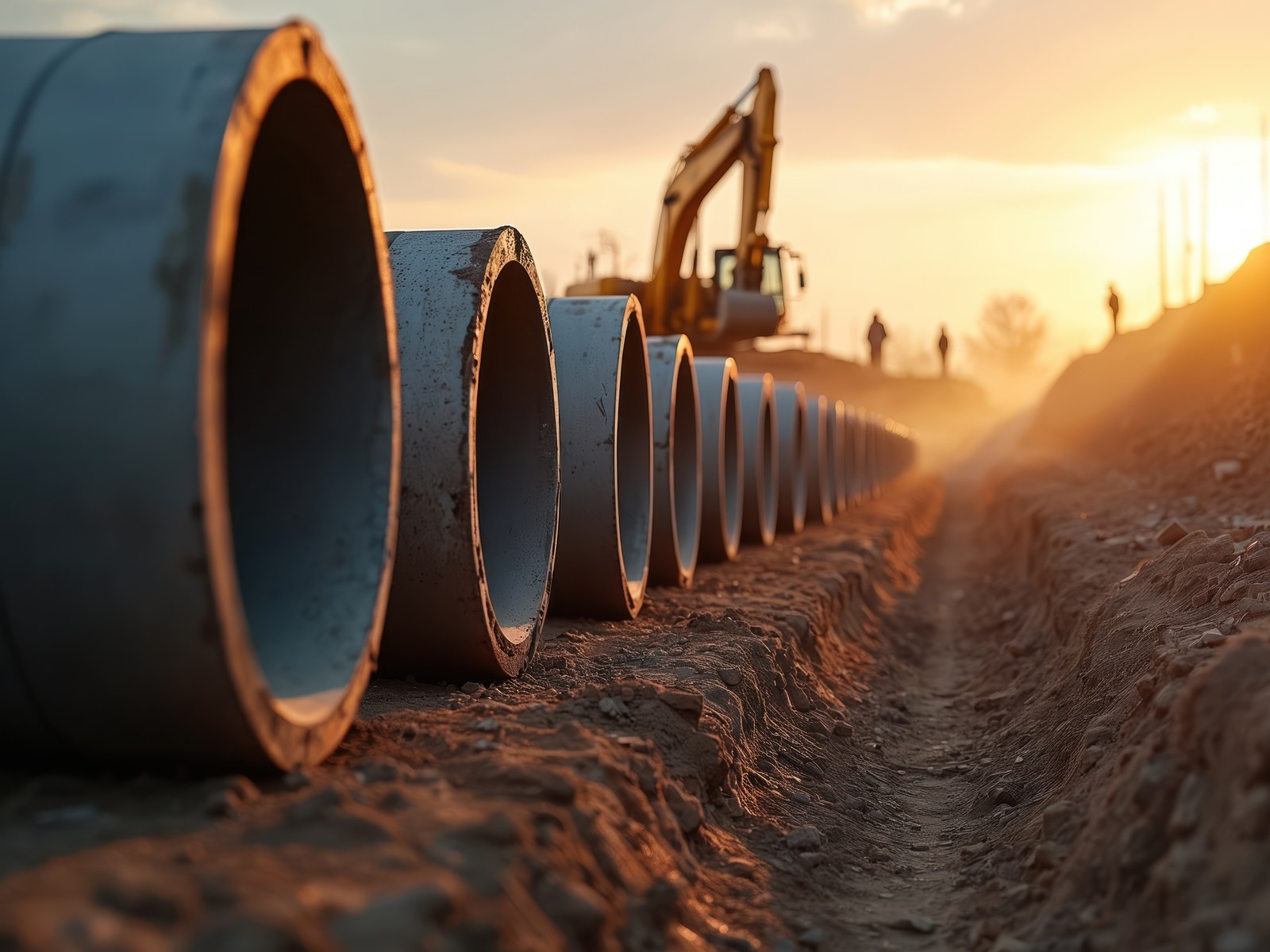
Concrete pipes laid out along an open trench on an earthworks site at sunset

Drainage laid lot by lot. Each lot carries its own inspection record before backfill.

What civil contractors told us.

We’re not telling the true story.”

– the owner of a drainage and earthworks contractor, after five days reconstructing an 18-month-old job from phone photos with no levels or heights shot. The work was good. The record had fallen so far behind the build that by close-out it couldn’t be reassembled honestly.

An experienced QA lead retired mid-project having missed a concrete cylinder test. It was caught only because the incoming manager reviewed the file on takeover. Good people with no system behind them are a single point of failure.

– a civil construction contractor, New Zealand

Direct Drains saves approximately $28,000 with digital QA.

– Published case study

Common questions

What is a held progress claim?

A held progress claim is a line on a contractor’s monthly payment claim that the principal or head contractor withholds, not because the work wasn’t done, but because the QA evidence required to verify it wasn’t available or wasn’t in the required format. The money sits frozen until the record catches up. The cost lives in duration and cost of capital, not just the held amount.

What is a hold point in civil construction?

A hold point is a defined stage in an Inspection and Test Plan (ITP) where work must stop until a nominated party, usually the principal’s representative or engineer, inspects and signs off before the next stage proceeds. Because payment claims on civil projects are assessed against completed, verified work, hold-point sign-off directly gates the progress claim: no sign-off record, no cleared claim line.

What does CONQA do for civil and infrastructure contractors?

CONQA is QA software for civil construction. Site teams capture evidence against the ITP and hold-point schedule, tied to the specific lot, as the work happens. The evidence assembles into a claim-ready record, and hold-point sign-offs carry a digital audit trail: who approved what, when, in what sequence. The record releases progress claims and stands up in disputes at close-out.

Does CONQA replace the principal’s systems, or our other software?

No. CONQA is contractor-side and independent. The principal gets sign-off and visibility without changing their own systems, and CONQA sits alongside your scheduling, ERP, and project tools rather than replacing them. The QA record belongs to the contractor, is exportable in full, and outlives the project and the software contract.

How much does CONQA cost?

CONQA starts at $1,199 a month for civil and infrastructure contractors. Pricing scales with the size of your operation – there’s no per-user charge, so everyone who needs to see the record gets access. Book a demo and we’ll give you a firm number for your projects.

A record that keeps pace with the build.

Your next claim goes in with the evidence already attached.

Not ready to talk? The CCF whitepaper covers QA and cash flow in civil contracting: what held claims cost and what closing the gap looks like.